The Under-$40 Studio Kit: Eight Japanese-Inspired Gifts We Actually Reached For in 2026
Every holiday gift guide promises a magical studio upgrade. We are more interested in the tools that stay on the table after New Year's. For this 2026 guide, we kept the ceiling at $40, tested each pick in actual studio sessions, and chose items that support a specific Japanese painting or illustration technique—not just a pretty packaging moment. Prices move around, so treat the numbers as street-price estimates. None of these shops paid for placement.
How We Tested
We ran each item through two sessions: a slow swatch-or-line test and a rushed deadline test. The questions were simple. Does it change how we plan a picture? Does it survive a tote bag? Would we explain it to a beginner without sighing? If the answer was no, it did not make the list. We also prioritized shops that ship from the US or Japanese stationery retailers with reliable stateside shipping.
The Eight Picks
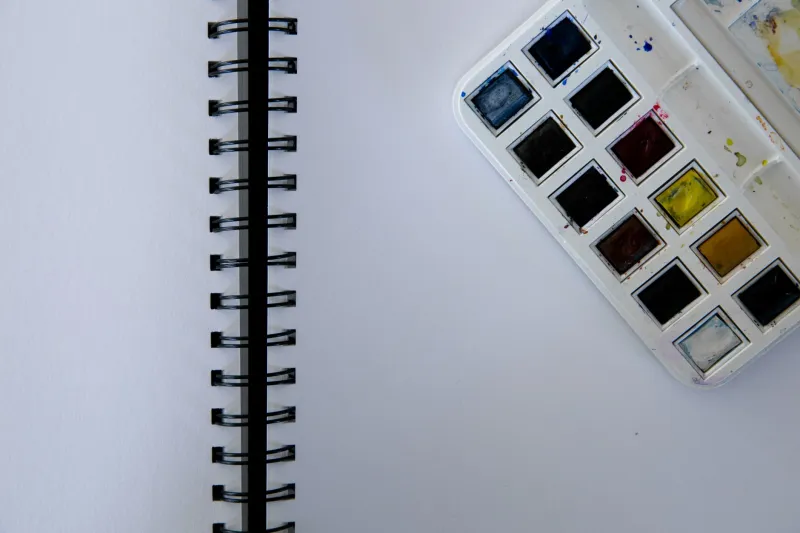
1. Kuretake Gansai Tambi 12-color set — the portable gansai palette Street price: about $22–$28. JetPens and Blick both carry it. Studio test: The pans rewet quickly, the opaque colors cover pencil without turning chalky, and the case survives being tossed in a bag. We used it for a small camellia study and for color thumbnails on a commute. Technique: Gansai is a Japanese watercolor that rewards layered washes and small corrections. This set is a low-stakes way to practice that opaque-over-transparent rhythm.
2. Kuretake Zig Cartoonist Brush Pen No. 22 — the fude brush Street price: about $10–$15. Available at JetPens. Studio test: The synthetic tip gives real pressure variation without the maintenance of a traditional fude. It started strong, held a fine point, and did not dump ink at the end of a long stroke. Technique: Use it for fude line control—thick-to-thin transitions, quick sumi-e-style leaves, and gestural illustration underdrawings.
3. Hand-bound sketchbook from a small US bookbinder Street price: about $25–$38. Try Oblation Papers & Press or a local bookbinder. Studio test: Ours lay flat, took light washes without buckling, and had enough tooth for pencil. The irregular page count forced us to be more deliberate about what earned a page. Technique: Daily composition studies, thumbnail sequencing, and ma sketches. A book that stays open makes it easier to plan negative space before the final drawing.
4. Kuretake Bokuteki sumi ink Street price: about $12–$18. Check Hiromi Paper or Paper and Ink Arts. Studio test: Deep black, matte dry-down, and no feathering on sized paper. It also diluted cleanly for gray washes without turning muddy. Technique: Sumi-e practice and ink-wash illustration. The ink rewards speed and committed strokes, which is a useful counterweight to overthinking.
5. Small ceramic water dish Street price: about $15–$30. Look at Hiromi Paper or a local pottery studio. Studio test: Weight matters. A heavy small dish stays put while you rinse a brush, and a pale interior makes it easy to see how dirty the water is. Technique: Brush loading and water control. A dedicated dish slows down the rinse-and-swipe habit that turns clean color into gray.
6. Akashiya Sai watercolor brush pens Street price: about $20–$35 for a set. JetPens stocks them. Studio test: They blend on paper if you work wet, and they are clean enough for a coffee-shop sketch. The colors are not lightfast enough for a finished piece, but that is not the job. Technique: Quick color studies, illustration thumbnails, and travel sketching. They pair well with the gansai set for testing a palette before committing to pans.
7. Washi paper sample pack Street price: about $10–$25. Hiromi Paper sells curated packs. Studio test: The absorbency varies wildly, which is the point. Some sheets took ink like a sponge; others resisted it. We used the rejects as collage material. Technique: Paper feel and mixed-media illustration. Understanding how a surface accepts pigment is half of Japanese-inspired painting; this is a cheap way to learn it by touch.
8. Yasutomo Niji waterbrush Street price: about $8–$12. Widely available at Blick and JetPens. Studio test: It did not leak in a bag, the water flow was controllable, and it made a decent point for detail. It is not a replacement for a real brush, but it is a great second brush. Technique: Plein air watercolor and gouache, especially for travel studies. It supports the kind of loose, fast observation that feeds finished studio work.
What We'd Skip
We love a giant art set as much as anyone, but a 48-color box is not a thoughtful gift if the recipient is still learning to control water. We would also skip novelty brushes with no real point. A gift that teaches one technique beats a gift that fills a shelf.
Beginner Pairings
If you are shopping for someone new to Japanese-inspired painting, pair the gansai palette with the waterbrush. Add the fude brush and sumi ink for line practice. For a more illustration-minded artist, choose the hand-bound sketchbook and washi sample pack. These pairs create a small, coherent practice rather than a random haul.
Shipping Notes
Order early. US shops like Blick and JetPens usually move quickly, but small paper shops can have holiday cutoffs. Hiromi Paper and Paper and Ink Arts are good places to check for paper and ink, and local bookbinders often list holiday deadlines on their sites. A handmade sketchbook is worth the wait, but it is not worth a December 24 scramble.
The Studio Verdict
The best gift is the one that gets used in January. These eight items are not luxury objects. They are small, specific tools that make a technique easier to practice—and that is the kind of upgrade we actually notice in the studio.